We use Google Analytics to see which pages help buyers. Nothing is stored until you accept. Cookie policy
A rental house in the north of France had a fleet of walls built from a batch of modules that had started to fail. This is the job as it actually ran, including the part that made it fast.
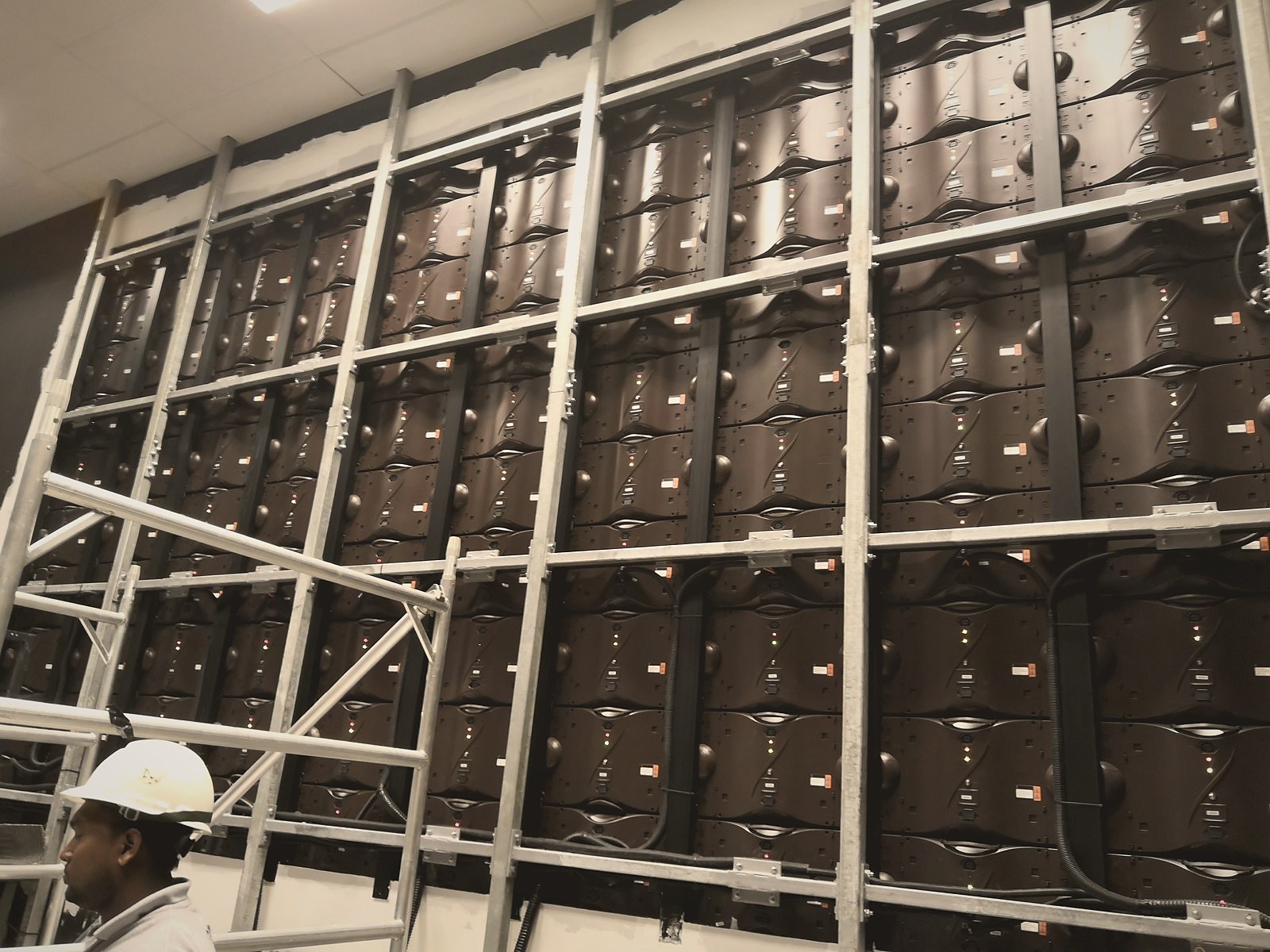
Fig 01 — The batch, staged before sorting. Most of the cost of a job this size sits in matching and transport, not in the parts.
The first day was spent not believing the number.
Every wall in the fleet was photographed and counted, module by module, before a single part came off. That record is the only thing that survives the job. Three weeks later, when the client asks why the invoice and the count disagree by eight, the answer is in the day-zero sheet rather than in somebody’s memory of a phone call.
Counting first feels like delay when a client is already unhappy. It is the only step in the sequence that cannot be done later.
Working, degraded, failed. Only the third pile is a swap. The middle pile is what pays for the job: modules with a shifted colour point or a tired power supply still light up, and on a rental wall that gets hired a week at a time they have years of use left in them.
Matching the production batch took longer than the repair. Modules from a different run do not match the ones still on the wall even at the same part number, and a repair that leaves a visibly brighter rectangle is worse than the fault it replaced.
Roughly a third of the batch turned out to be serviceable. Returning those to the fleet covered the sealing and test pass on everything else.
Every module in the batch was opened, checked and resealed before it went back out. The clips below are from the GLS workshop in Belgium, filmed for the service record rather than for a brochure.
Clip 01 — Checking the waterproof ring and fixing the bottom case. Silent loop, cut from the batch record.
Resealing matters more outdoors than in, because the failure it prevents is water tracking along a case seam and reaching the driver board from below. On a fleet that gets rained on and packed away wet, that is the most common way a module dies — and it is the step most often skipped when a repair is rushed.
Clip 02 — Waterproof glue along the four sides of the case.
The four sides are sealed after the ring is checked, not before. Done in the other order the glue traps the ring in whatever position it was sitting in, and a ring that is slightly out of its groove seals for a month rather than two years.
Small step. It is also the difference between a repair that holds through a wet season and one that comes back.
Refit went column by column, never leaving a whole wall open at once. New modules run brighter than used ones, so the wall was calibrated after closing rather than before. Without that pass the repair shows as a bright patch under a dark scene, which is exactly when a client’s own client notices it.
Twelve days from the first call to sign-off. It would have been six weeks without two things: the client holding spares from the original batch, and the middle pile going back to work instead of into a skip.
A spare ratio of five to eight per cent bought with the original order is usually the first line cut when a project is under pressure, and it is the one that decides whether a failure becomes a two-day swap or a six-week matching problem. Nothing else in this job came close to mattering as much.
We do not name clients. If you have a fleet in a similar condition, we can describe the sequence and the numbers without a name attached.
Send the cabinet model, how many modules are affected, and when the walls are next needed. You get a schedule and a spare-level recommendation, not just a unit price.