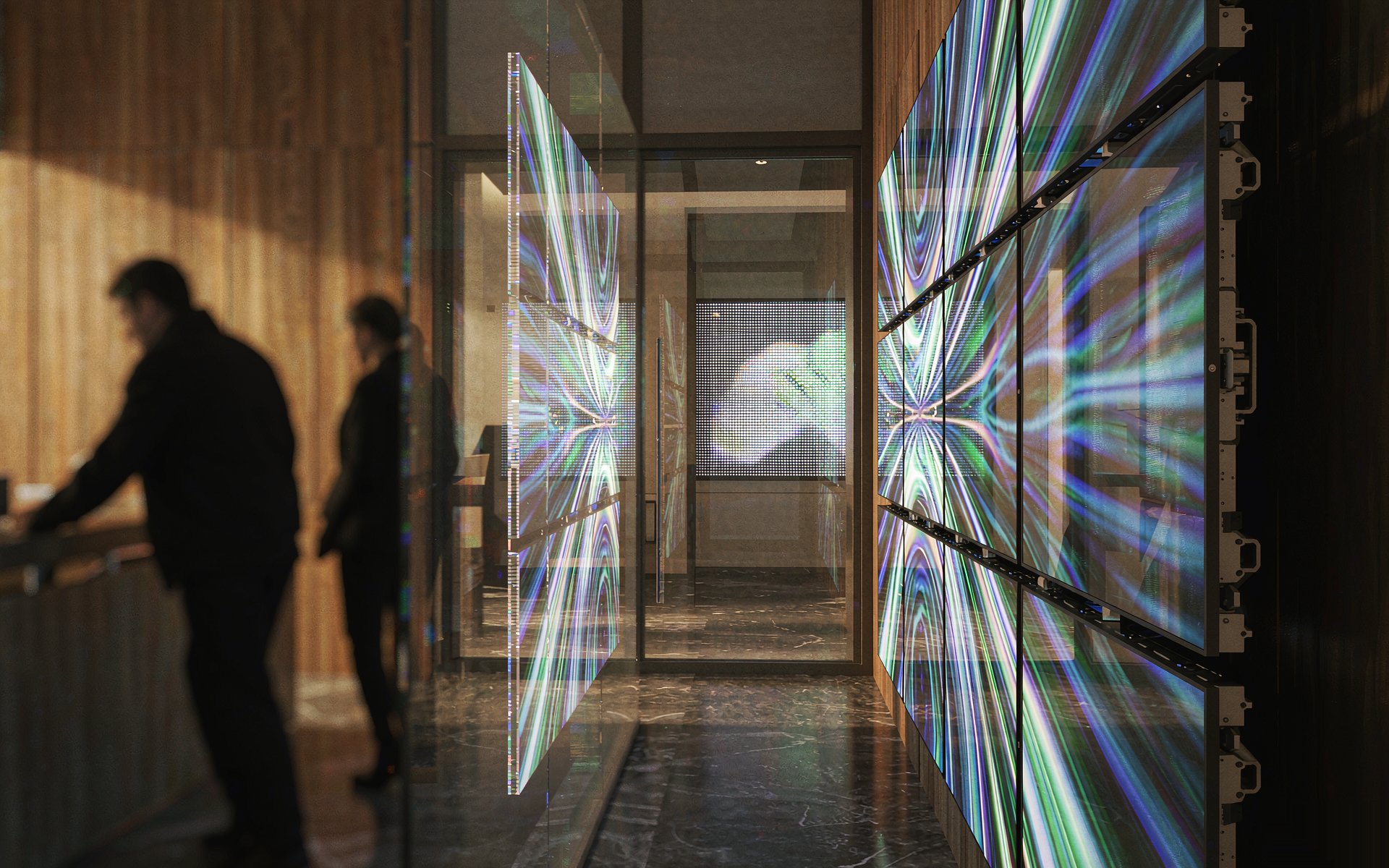
01
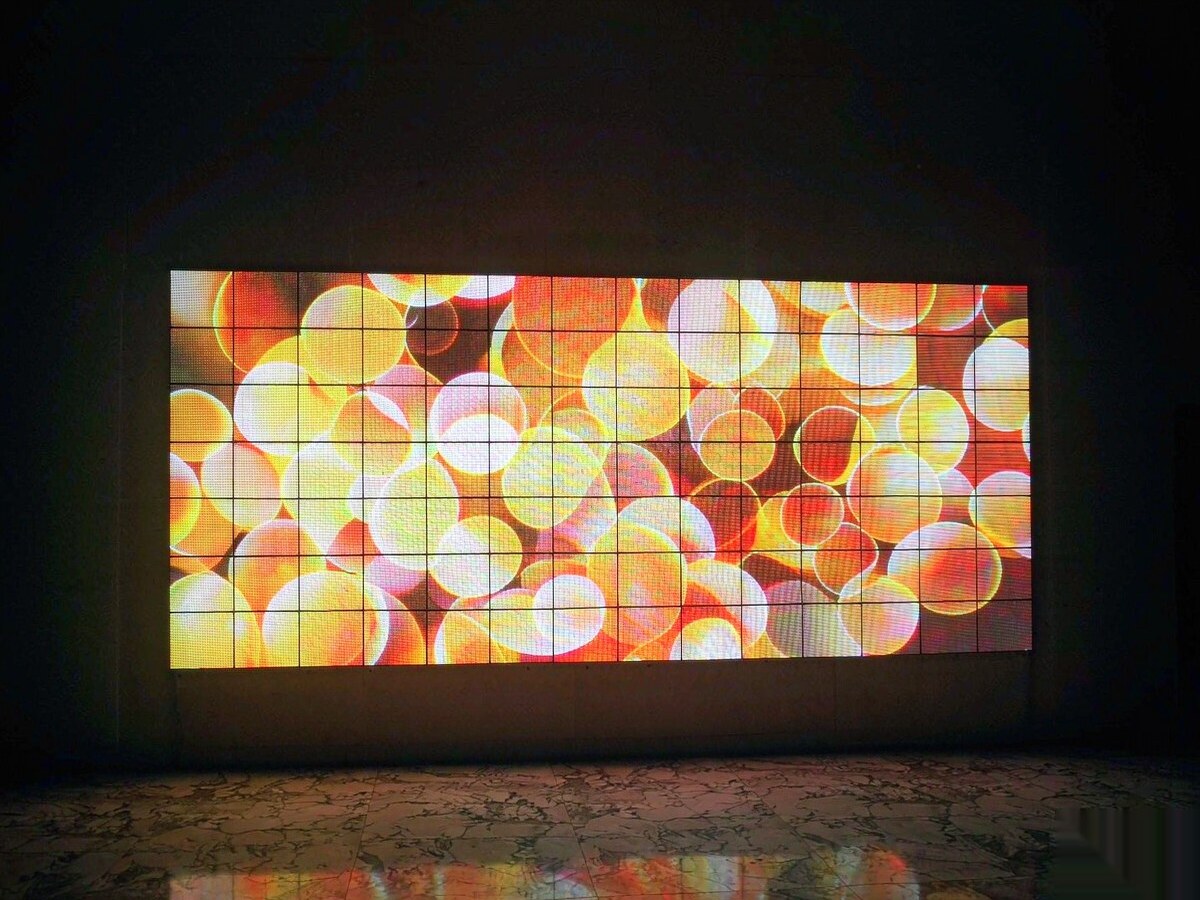
Indoor fixed installation
It stays, and the room is interior — how clean, and how close?
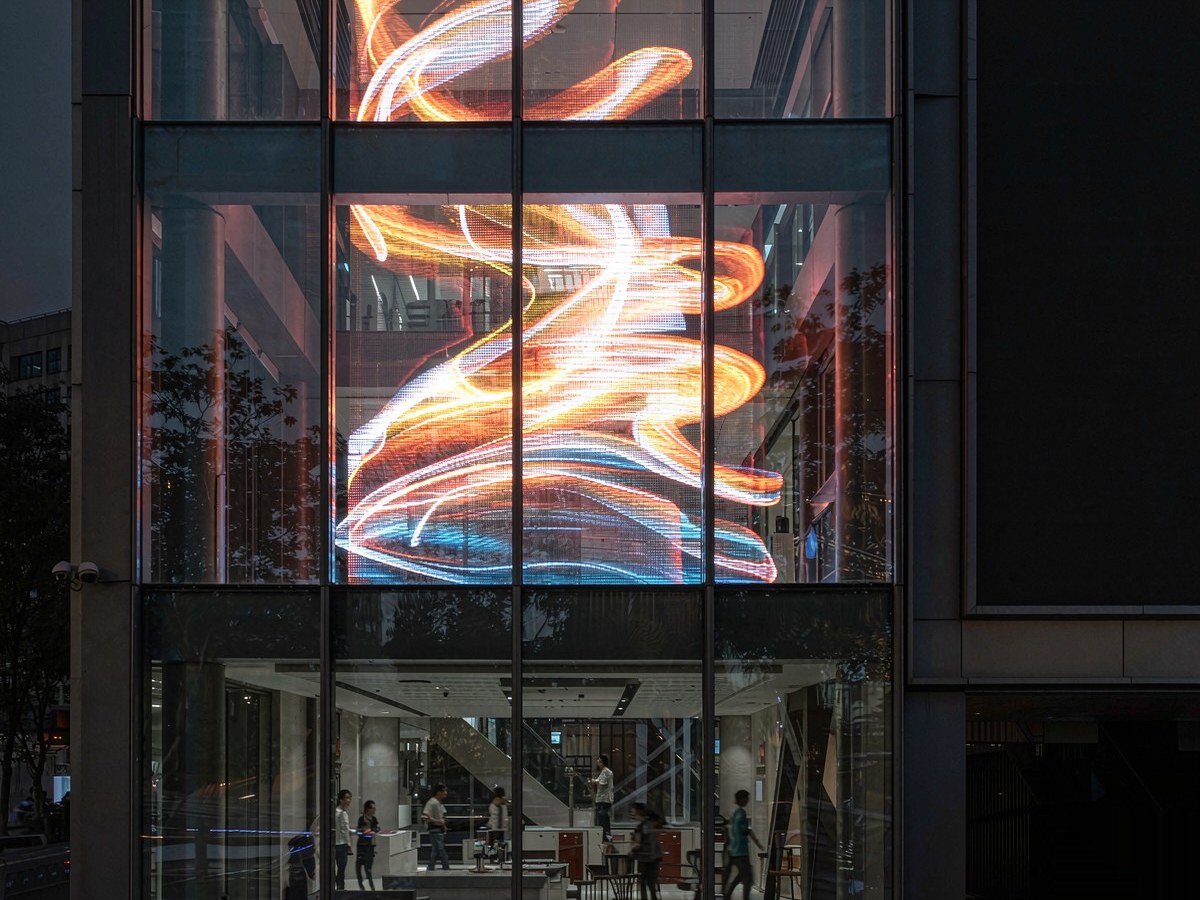
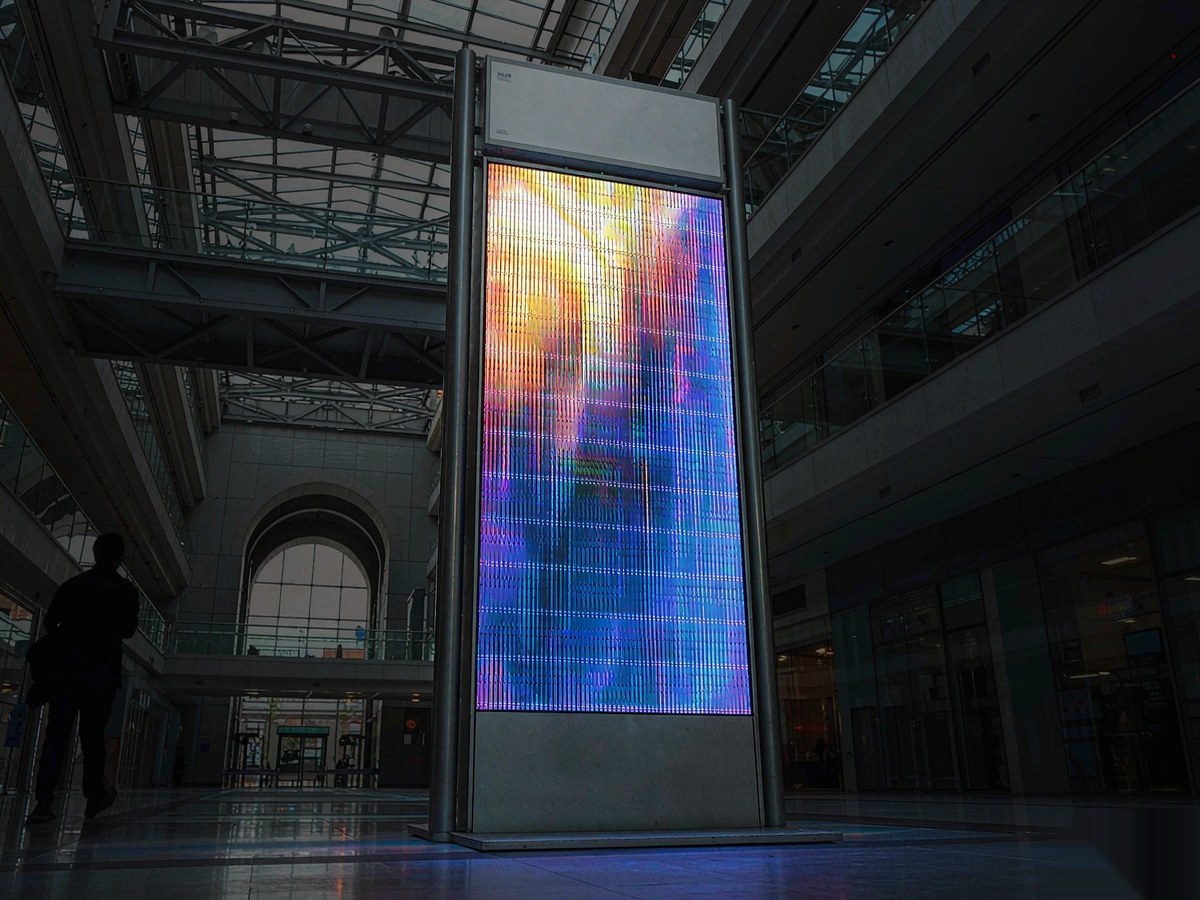
Lobbies, boardrooms, control rooms and shops. Chosen by viewing distance and by how the panel is carried and serviced.
3 series



See the indoor line →Pitch is the last question, not the first: it follows viewing distance, and viewing distance follows the room. Each line answers one question, and the rest of the brief hangs off it.
Lobbies, boardrooms, control rooms and shops. Chosen by viewing distance and by how the panel is carried and serviced.
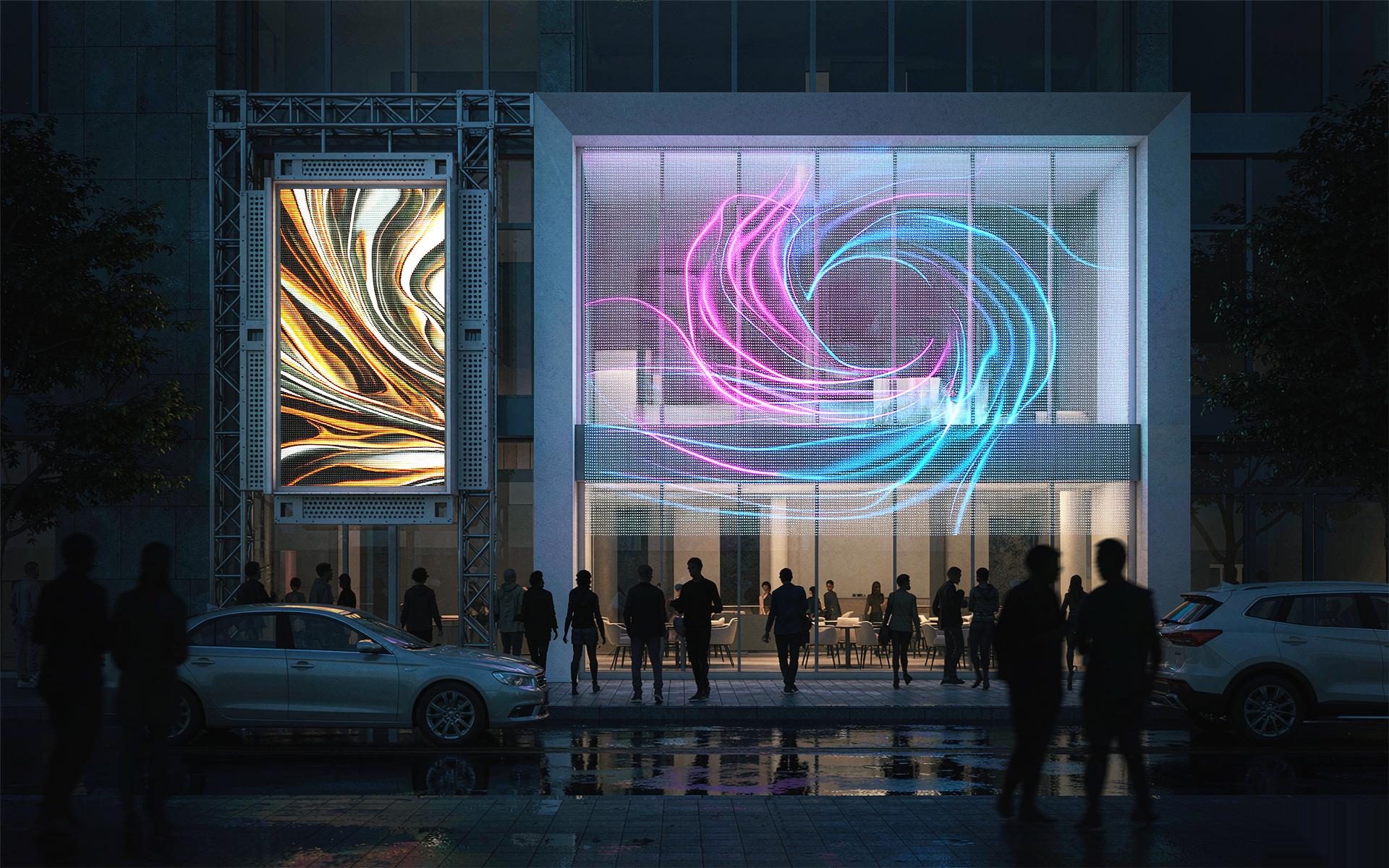
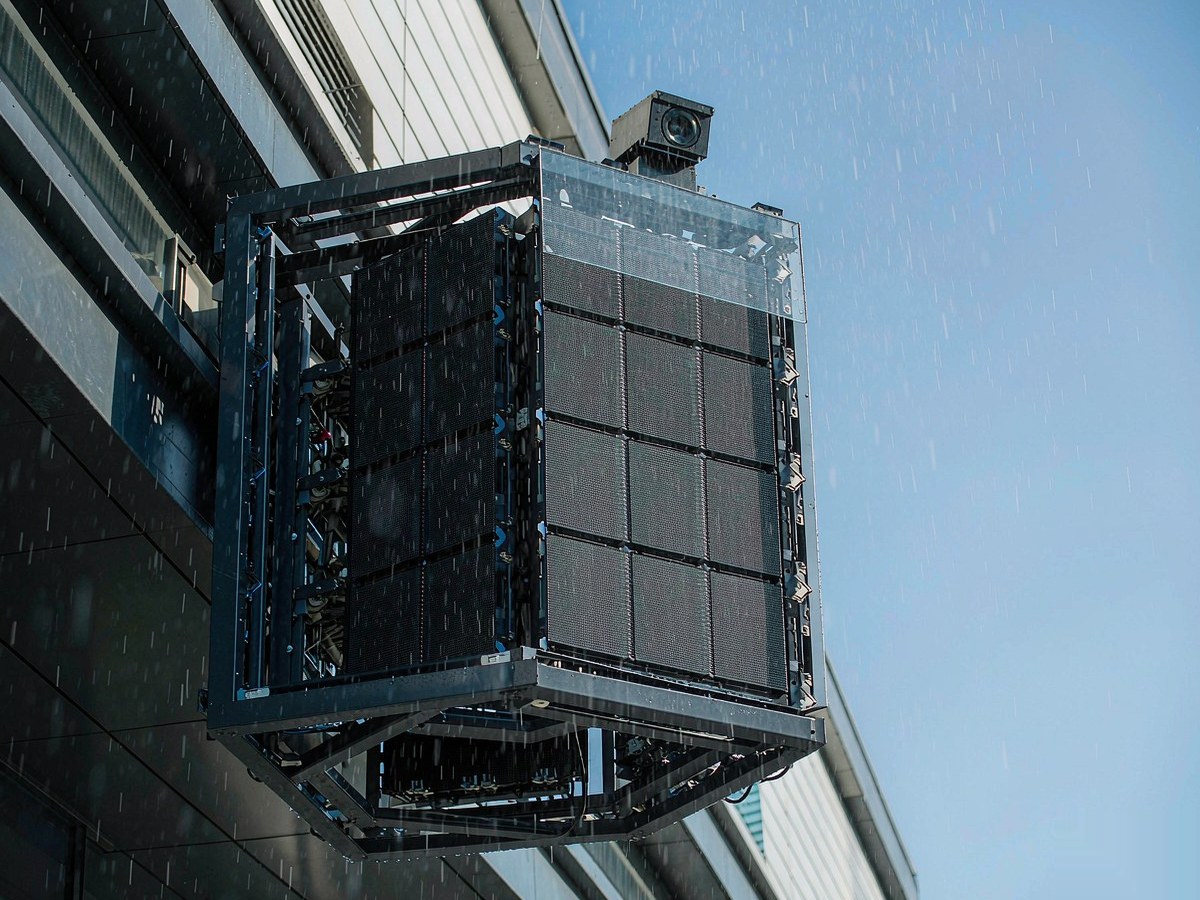
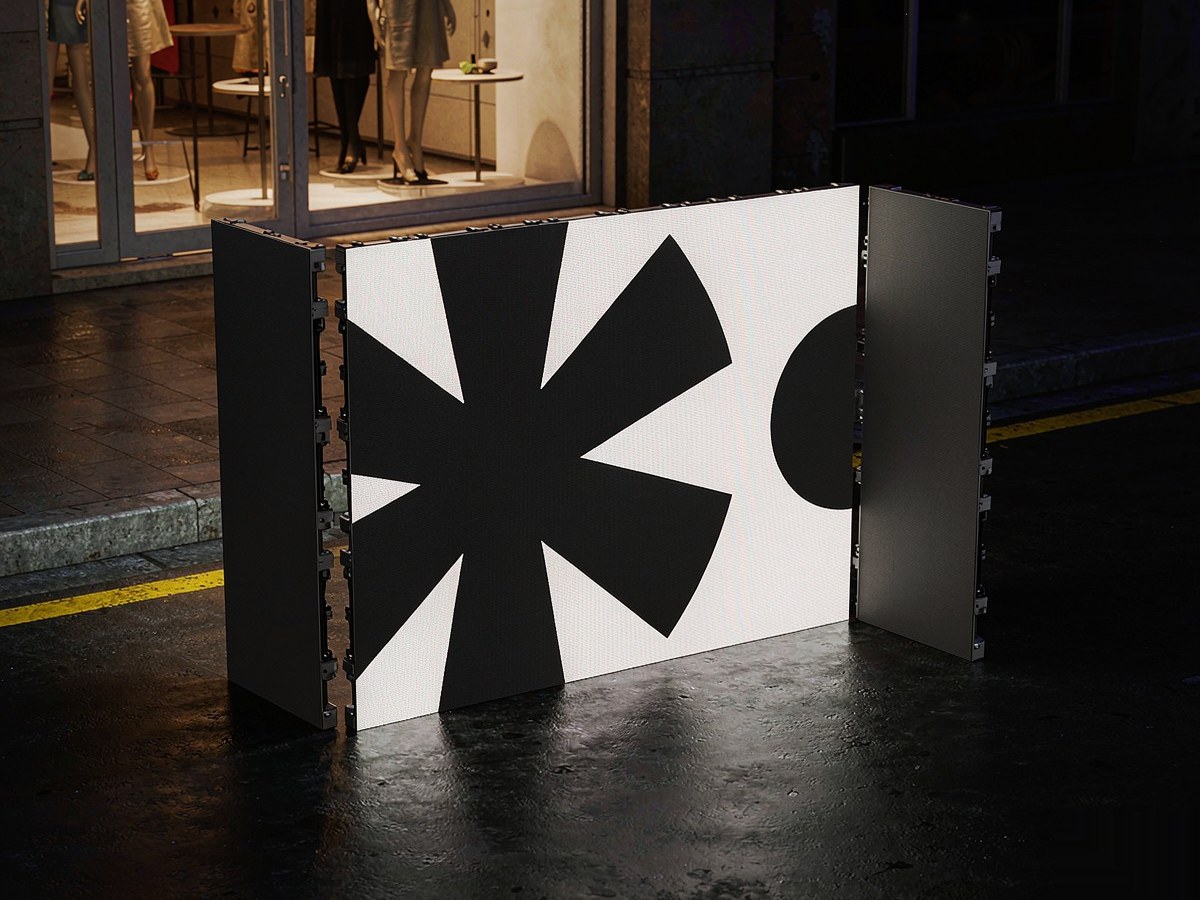
Façades, roadside and street-level signage. Chosen for brightness, sealing and structure — nothing on site can be changed once it is up.
 Fascia
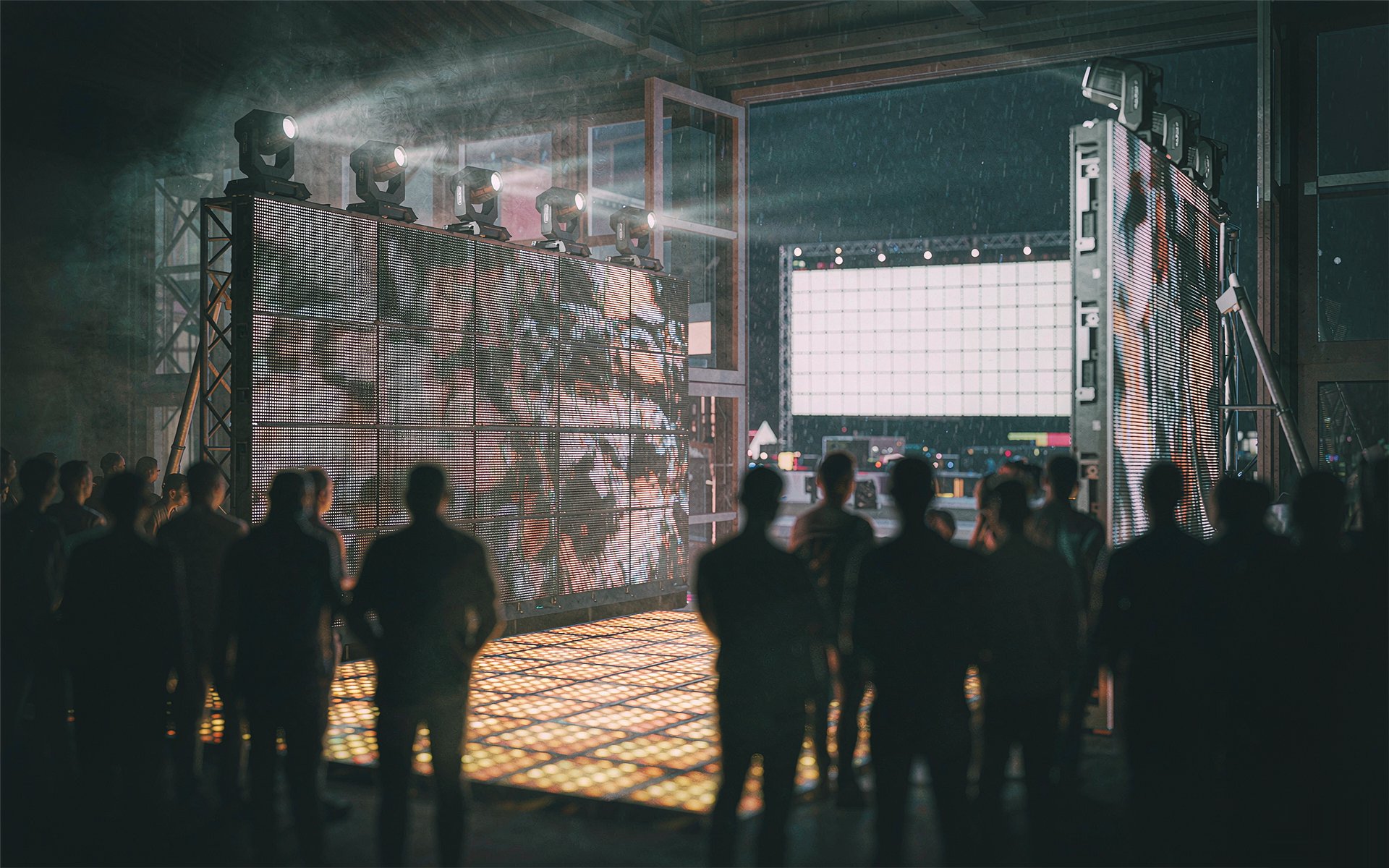
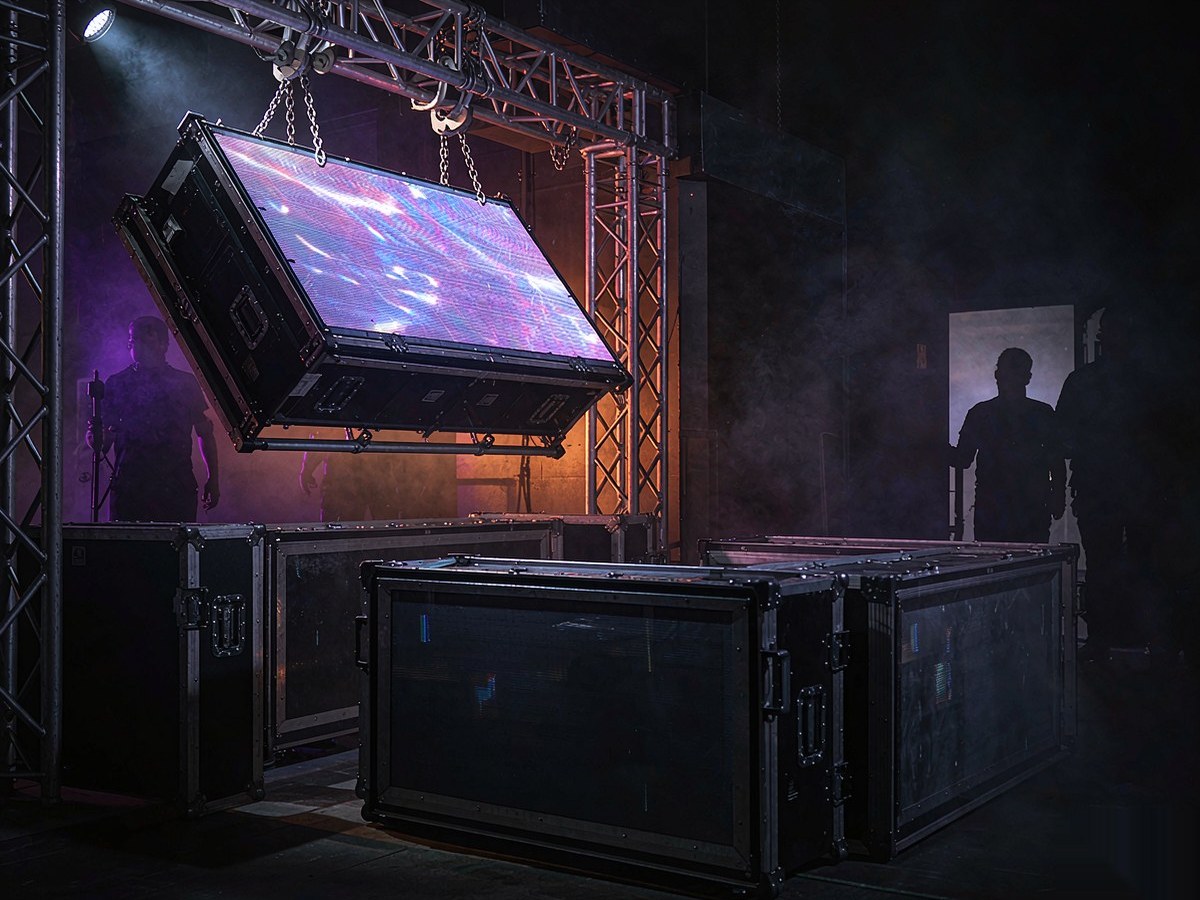
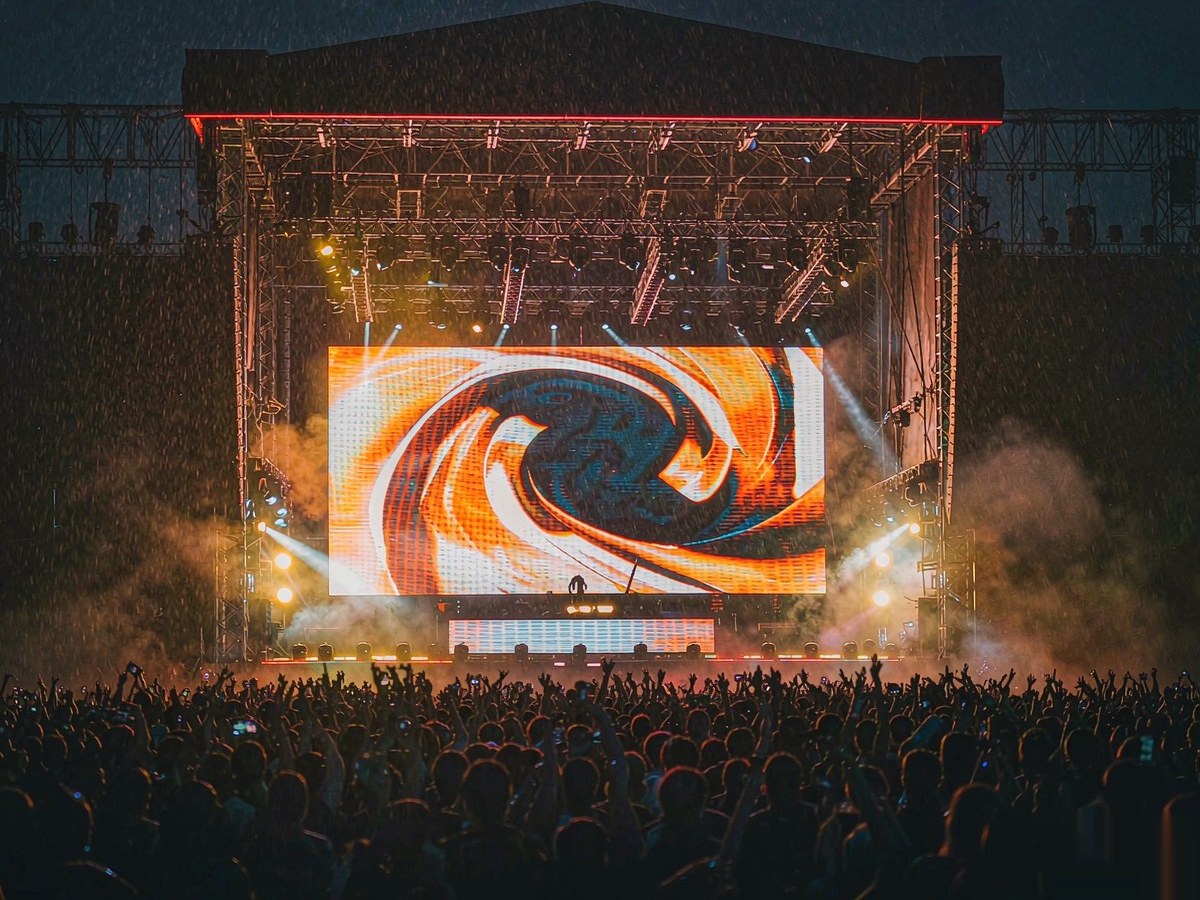
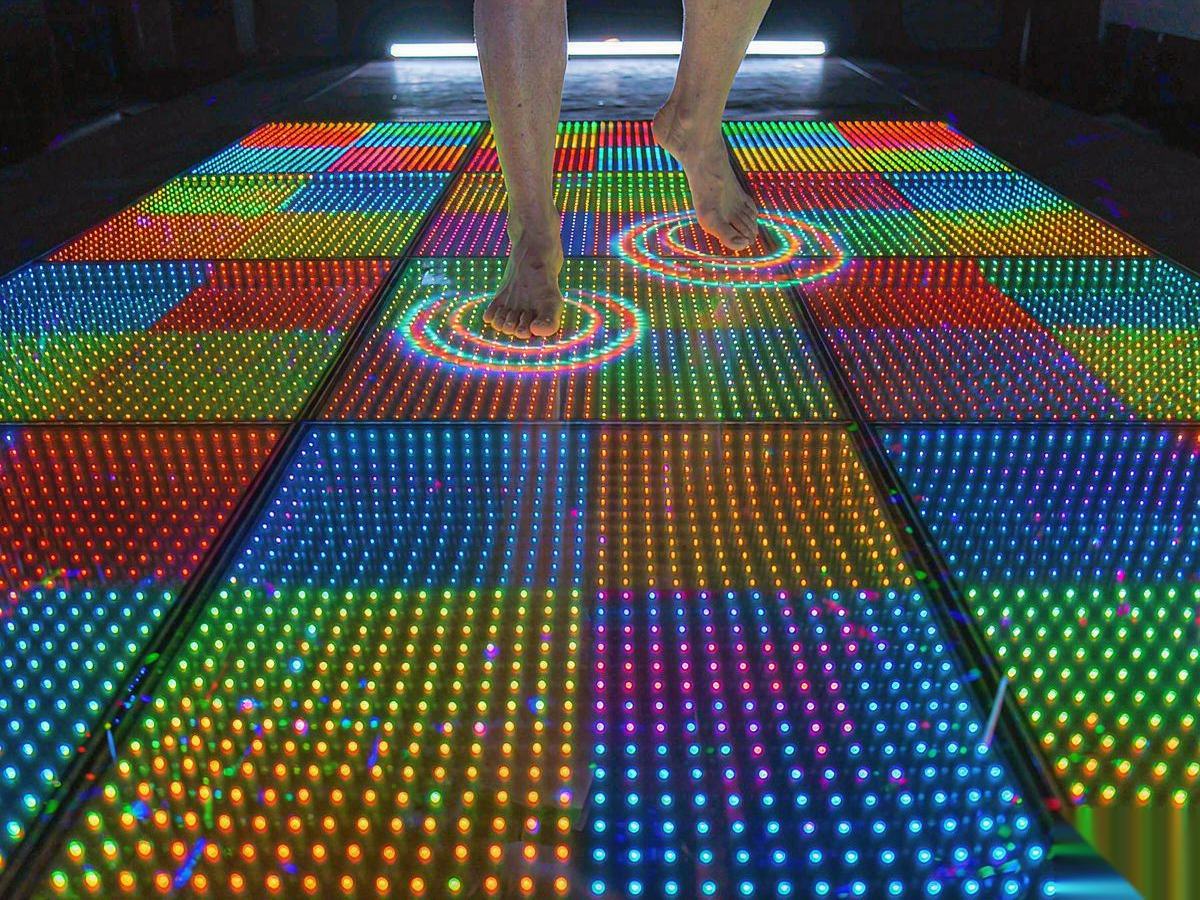
Touring cabinets, stages and interactive floors. Chosen for locks, road cases and handling speed — the same screen goes up and comes down every week.




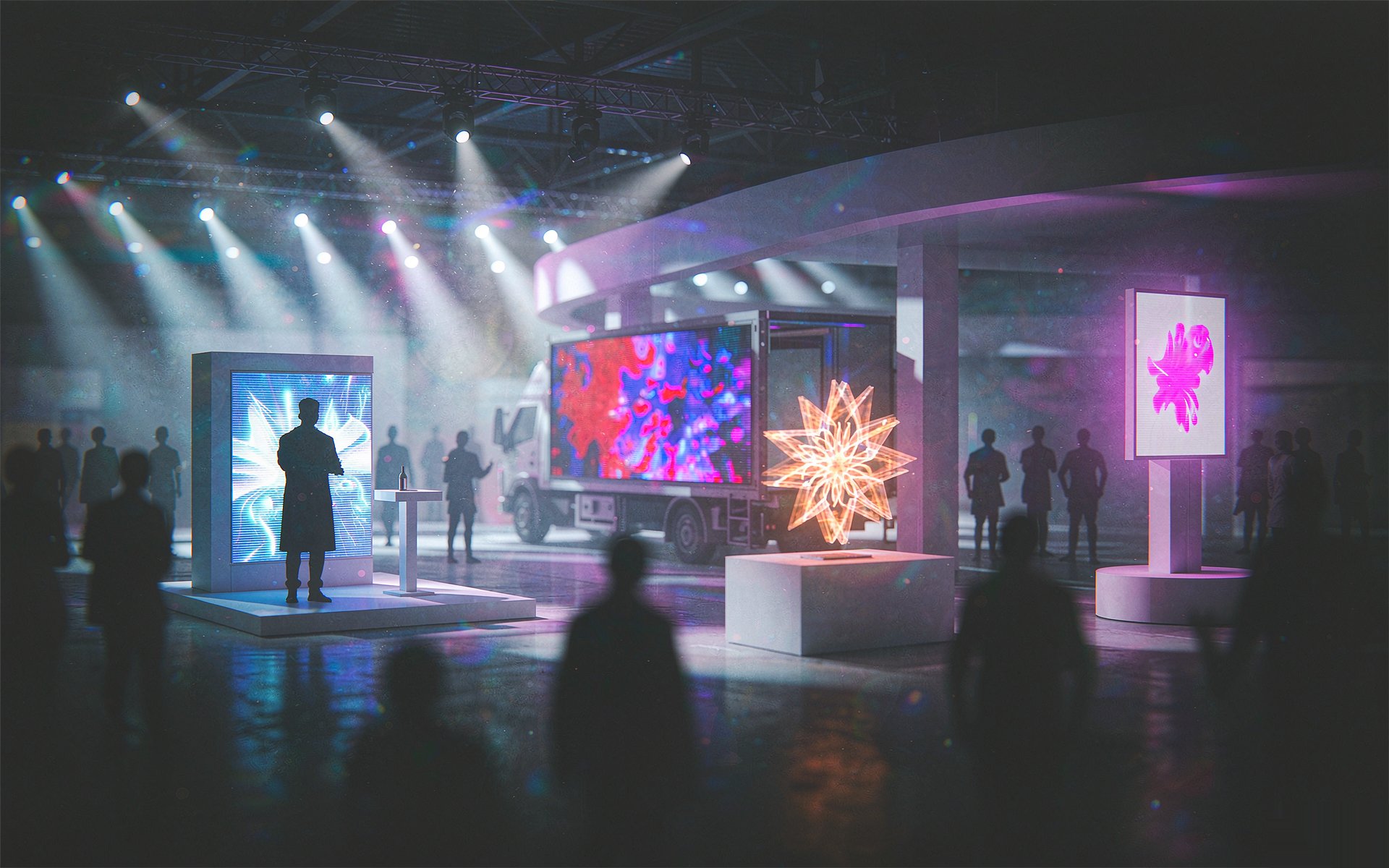
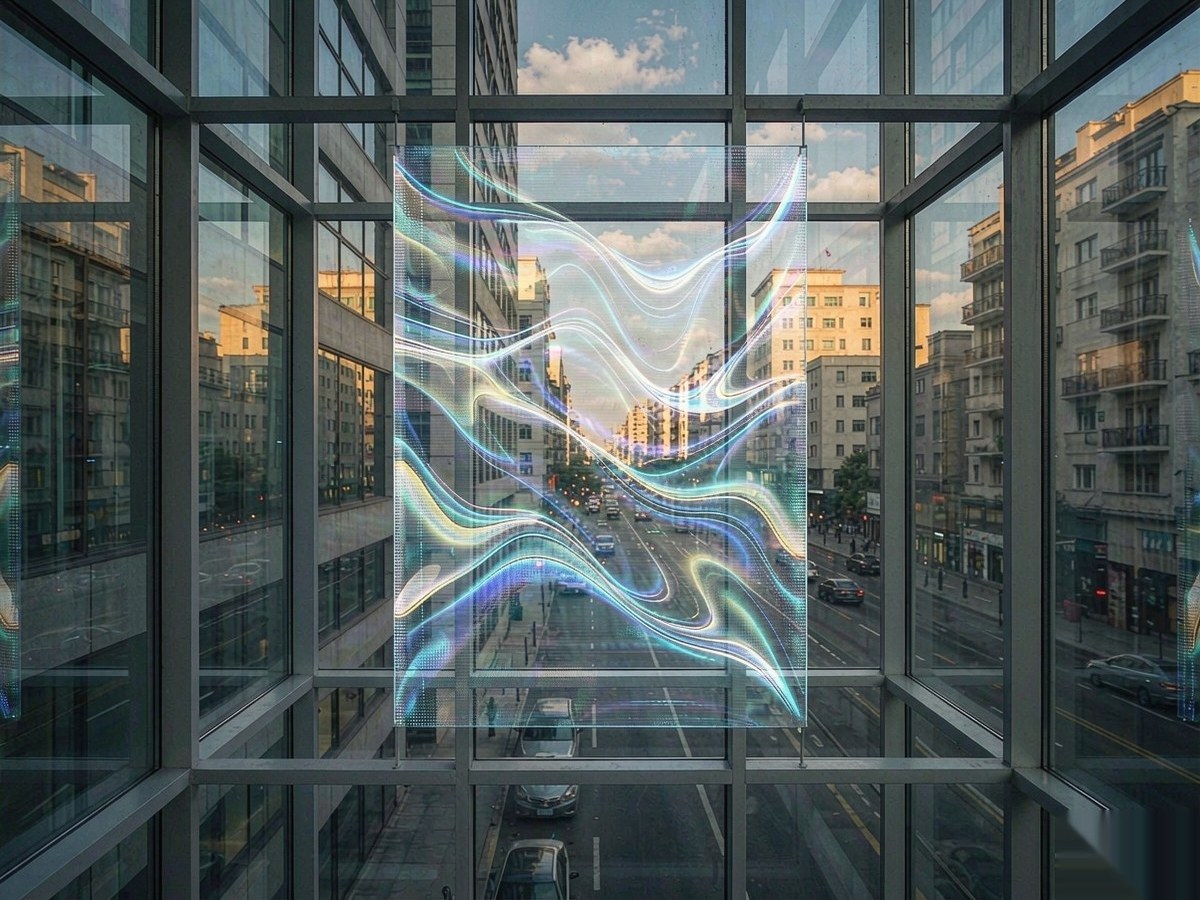
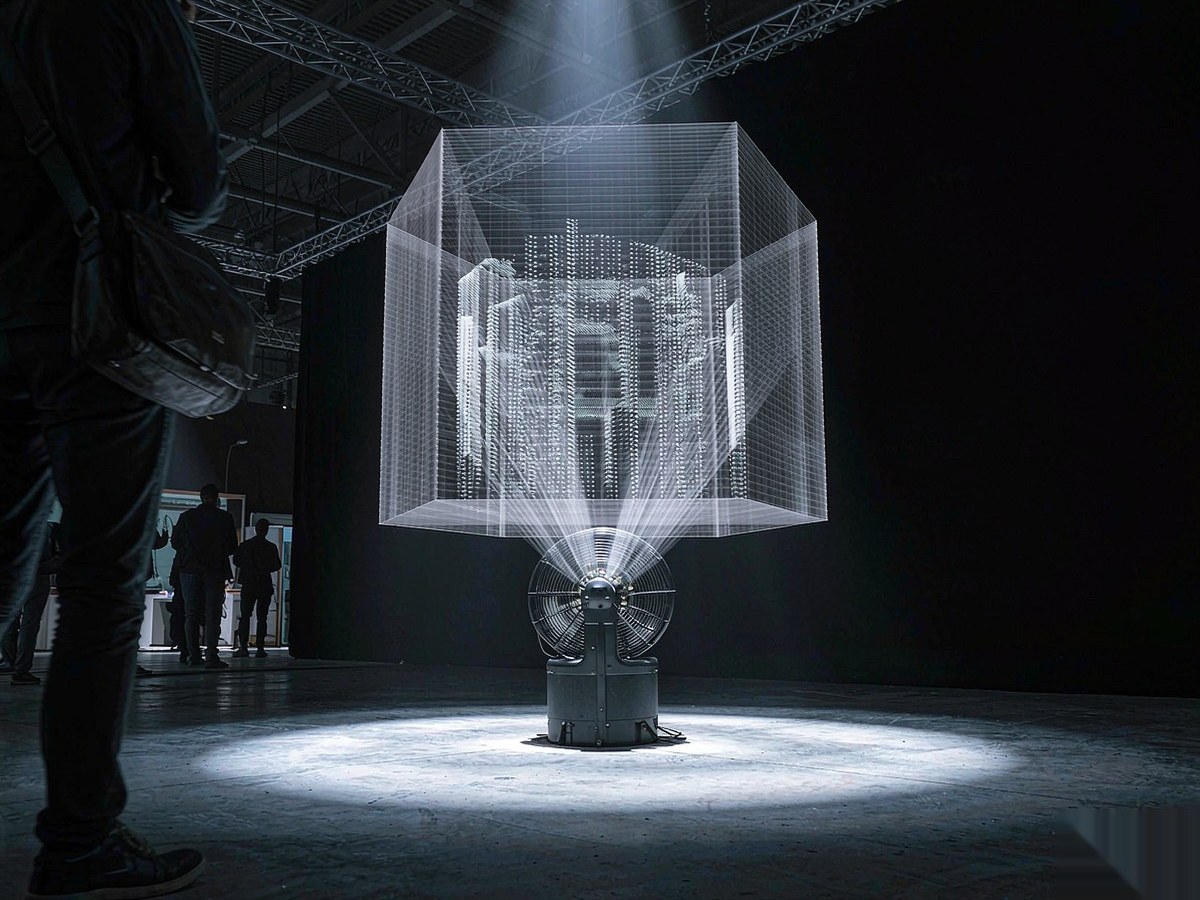
Podiums, fan arrays, trailers and tall posters. Chosen for what the piece does in the space, not for the square metres it covers.




We do not open with a pixel pitch. Six questions settle the line and the build; the tier settles how fine the panel goes — Lite, Standard or Ultra. Not every format carries all three; where it does, it is these three.
Indoors, outdoors, or on a truck every week — this decides the line before any technical question is asked.
Permanent, seasonal or per-show. A wall that stays is specified for service access; a screen that travels is specified for handling.
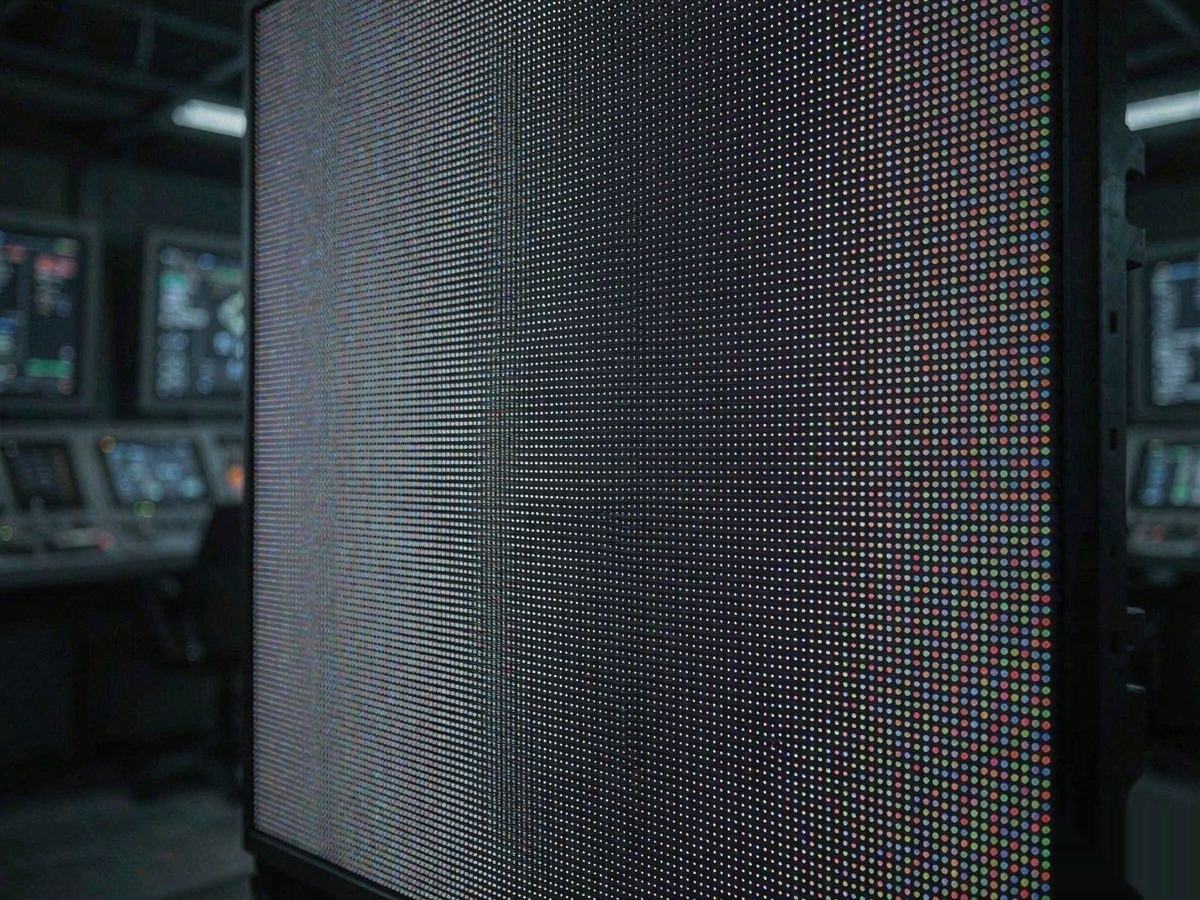
The viewing distance sets the pitch class — a control room and a roadside sign are metres apart, literally.
Wall, steel frame, hanging truss, floor or vehicle. Load, structure and maintenance route all follow from this.
Ambient light, glass that has to stay clear, and what may not be blocked — the site sets brightness and transparency.
Budget band, certification needed for the destination market, and the date it has to be on site.
Large areas seen from further away; temporary or budget-led work where the wall is bigger than the detail matters.
Where most projects land: mid-size retail and corporate walls read from a few metres, staging screens seen from the front rows.
Briefs where the audience stands close and the detail is the product: control rooms, boardrooms, flagship retail, close-up brand walls.
The starting point above is where the conversation opens — the room, the distance and the date can move it one step either way, and we say so before quoting. A tier is a position inside a series, not a different product: pitch, LED and driver options move together.
Our series names are deliberately short, which means they carry no meaning until someone explains them. One line each — what the series is, and where it belongs.


Room or road, permanent or weekly, a wall or something that is not a wall — that is enough to name the line, the series and the tier behind it.