We use Google Analytics to see which pages help buyers. Nothing is stored until you accept. Cookie policy
A client wants a sun-facing wall at 1.9 mm, audience about six metres away. Nobody keeps that pitch in stock outdoors, so I went and put a feeler gauge on the cabinet instead of reading a specification sheet.
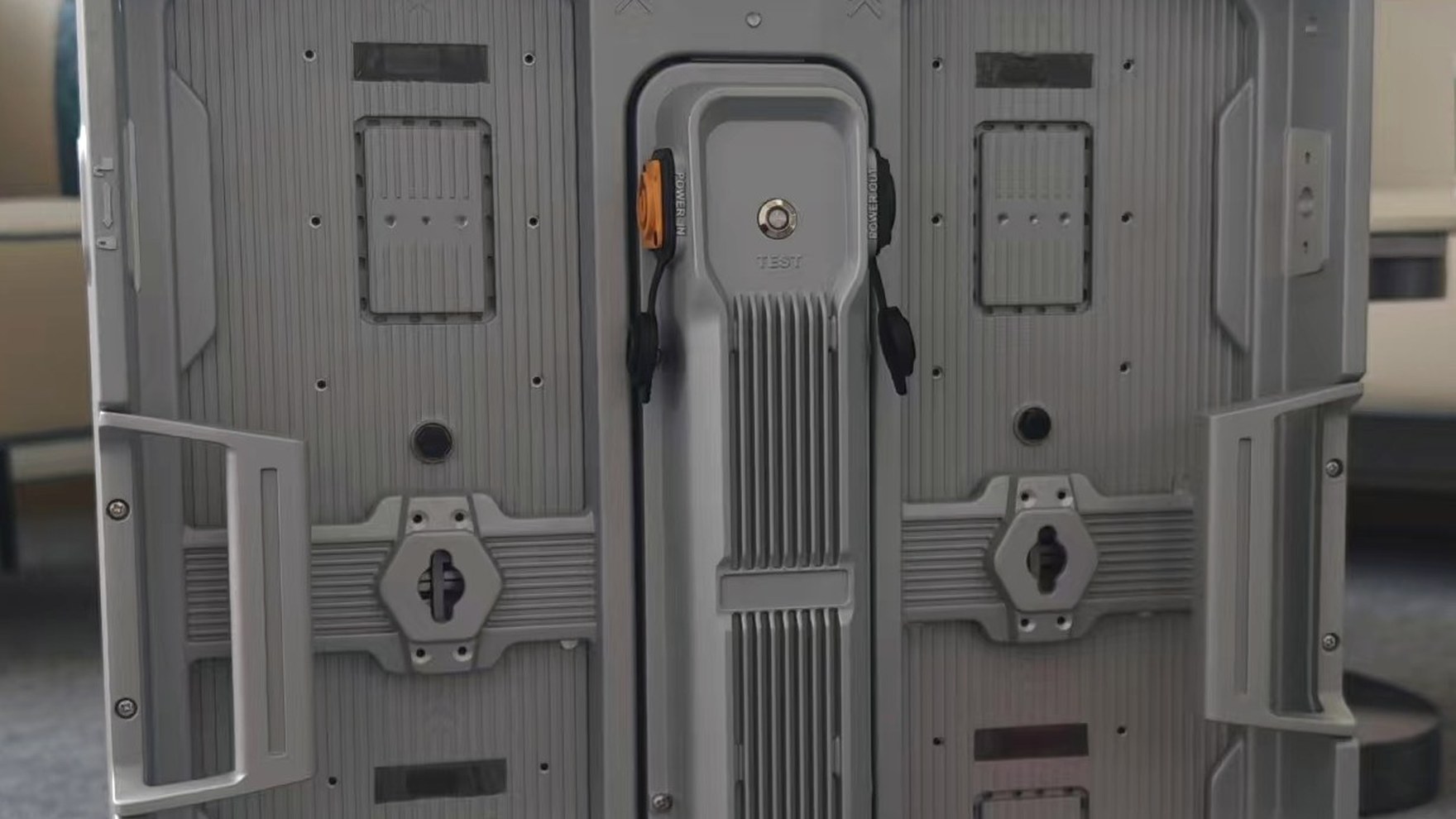
Fig 01 — The cabinet from the back. This is the side that decides whether a fine pitch survives outdoors.
Indoor at 1.9 mm is routine. Outdoors it is not, and the reason has nothing to do with the LED itself.
Most of the market keeps outdoor installations between P2.5 and P4. At 2.5 mm the seam between two cabinets is invisible from six metres. At 1.9 mm it is not, and once it is visible it is the only thing the client sees.
I could have quoted from a datasheet the same afternoon. Pitch and brightness would have been enough. What a datasheet cannot tell me is whether this cabinet holds its seam tolerance across a wall rather than across one sample the factory assembled for visitors.
The usual visit starts with the display unit. I asked for the opposite: four cabinets off the rack, stacked in front of me, including the ones with handling marks on the casting.
A display unit is assembled by whoever cares most. A rack unit is assembled by whoever is on shift. If the pitch is going to fail, it fails in the second case.
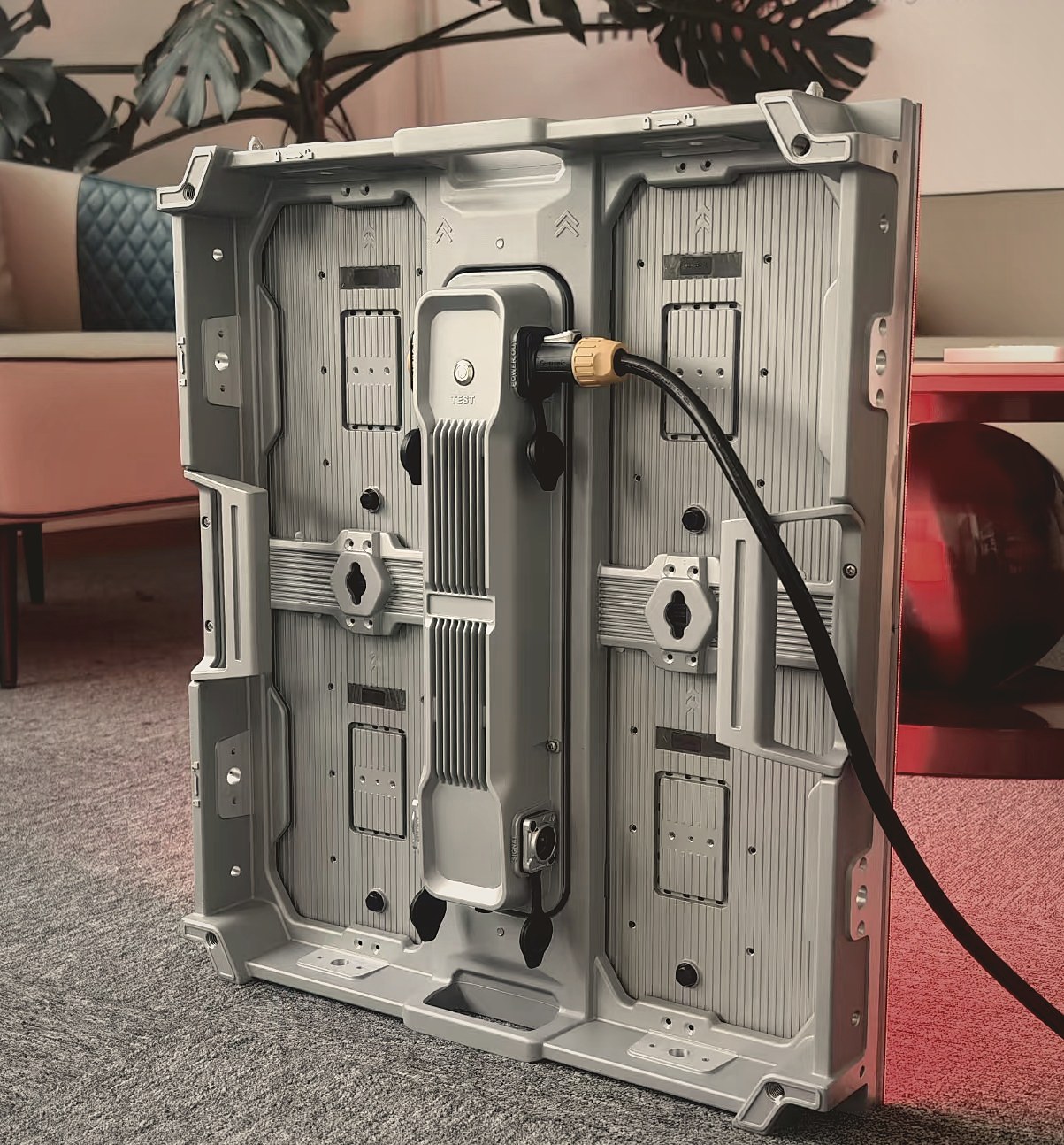
Fig 02 — One of the rack units. Four module positions in a two-by-two layout around a single centre power box, on a 540 × 480 cabinet.
We measured the step between two joined cabinets at four points along the seam, with a feeler gauge, twice. Once as delivered, and once after both latches had been closed in my own order rather than the fitter’s.
The second measurement is the one that matters. On a wall of eight cabinets the latches get closed by different people in different sequences, and the worst seam on the wall sets the quality of the wall.
The two latches sit on the horizontal mid-rail, either side of the centre box, so one person standing in the middle can close both. That is why the lock order does not have to be scripted on site.
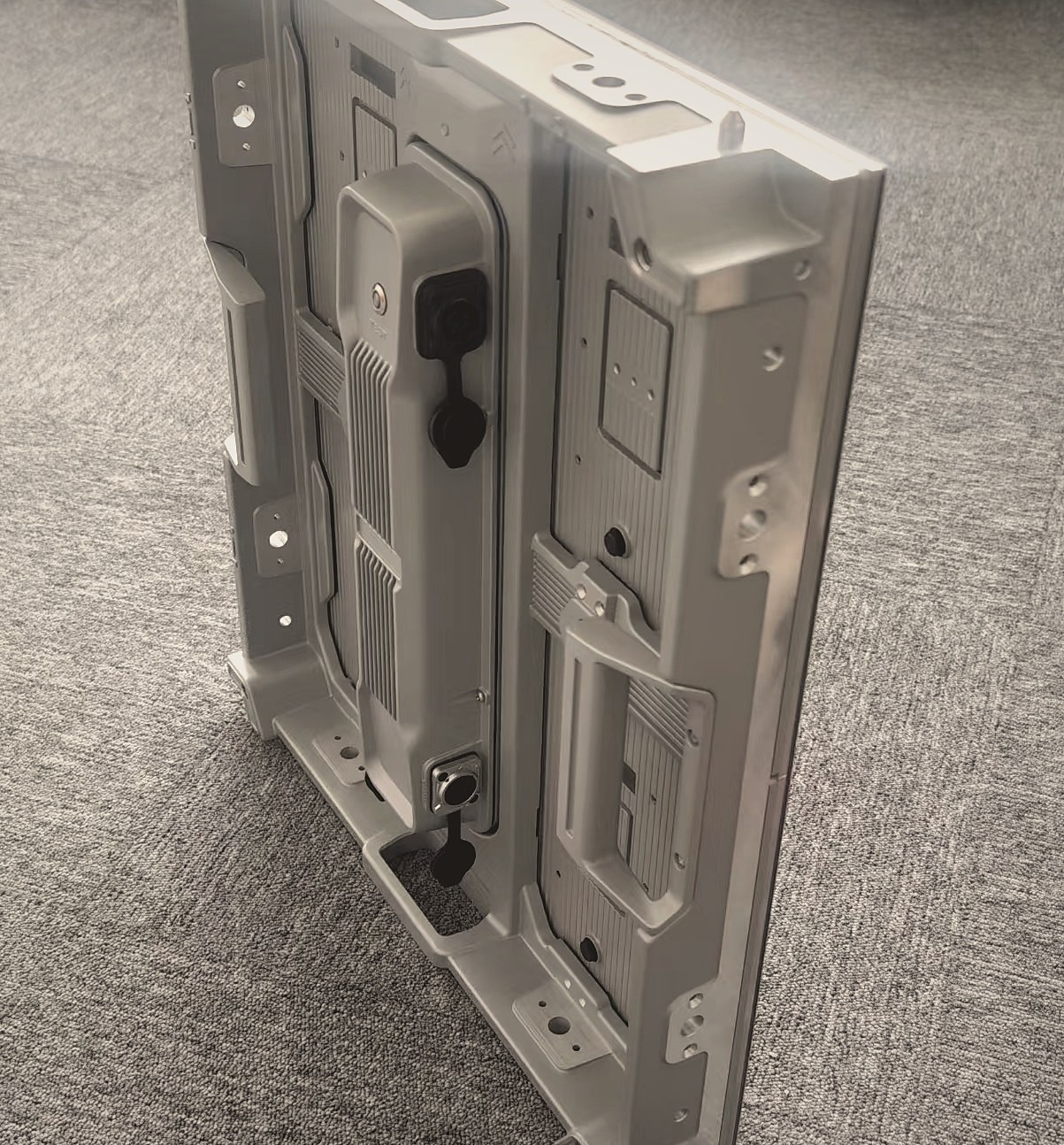
Fig 03 — In profile. Depth, corner reinforcement and the casting edge, which is where the gasket has to survive.
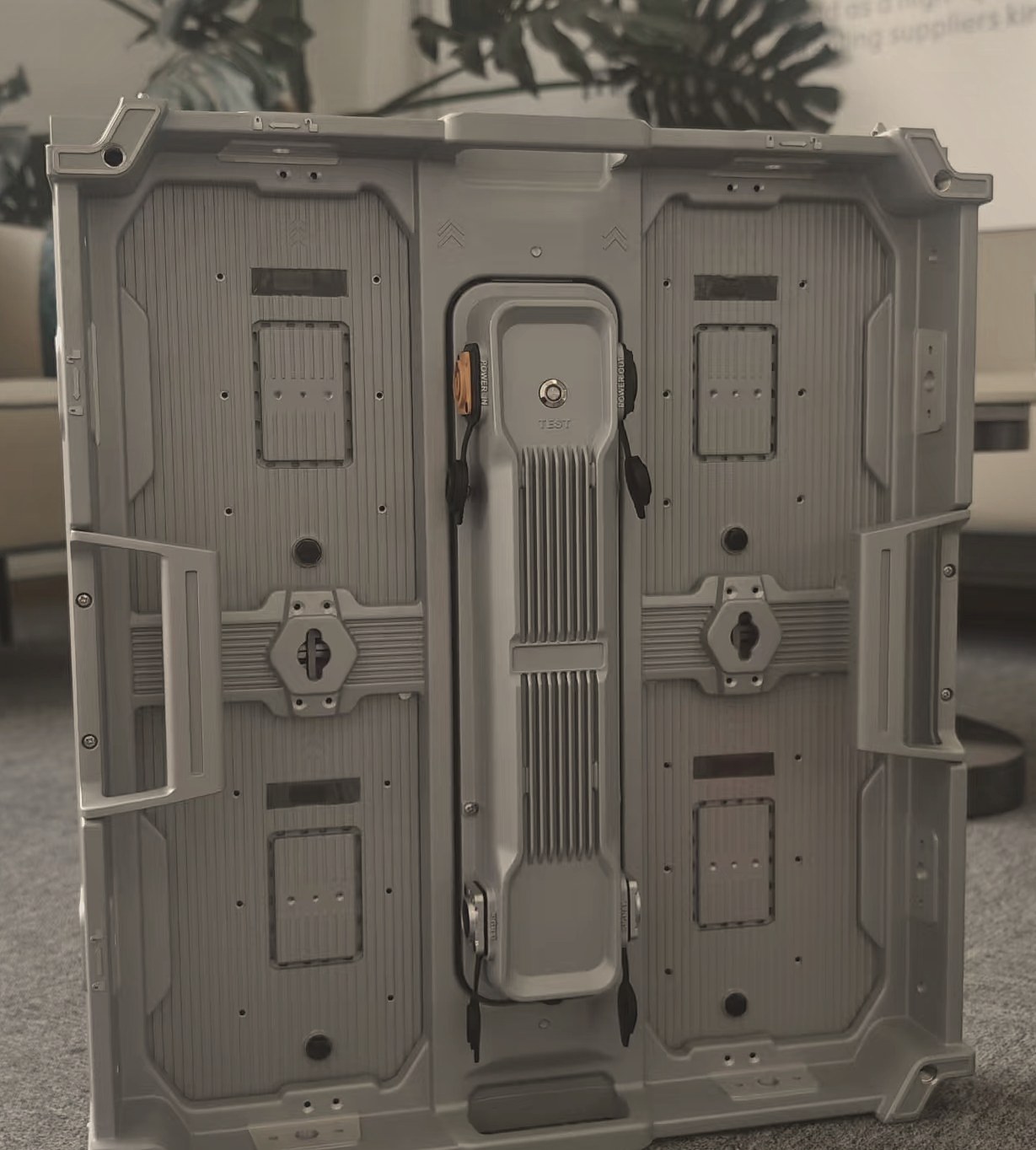
Fig 04 — Power and signal on the centreline, marked POWER IN and POWER OUT. This is what a technician opens at two in the morning.
I asked for one module to be pulled and timed it, then asked for it to be refitted and the seam measured again. Front access matters because this wall has a shopfront behind it, but what the client actually pays for is that second measurement.
A repair that leaves the wall four tenths of a millimetre out of plane is a repair that gets noticed, and it gets noticed at night, in the dark half of an image, which is exactly when a client’s own client is standing in front of it.
Three questions were still open when I walked out, and I did not place an order.
Whether the seam holds across a row of eight rather than the two we measured. Whether the corner gasket is stable batch to batch, or whether I was shown the good pair. And whether the price holds at the quantity the client needs, once the module count per cabinet is fixed.
Three open questions is not a reason to walk away. It is a reason not to sign on the second day.
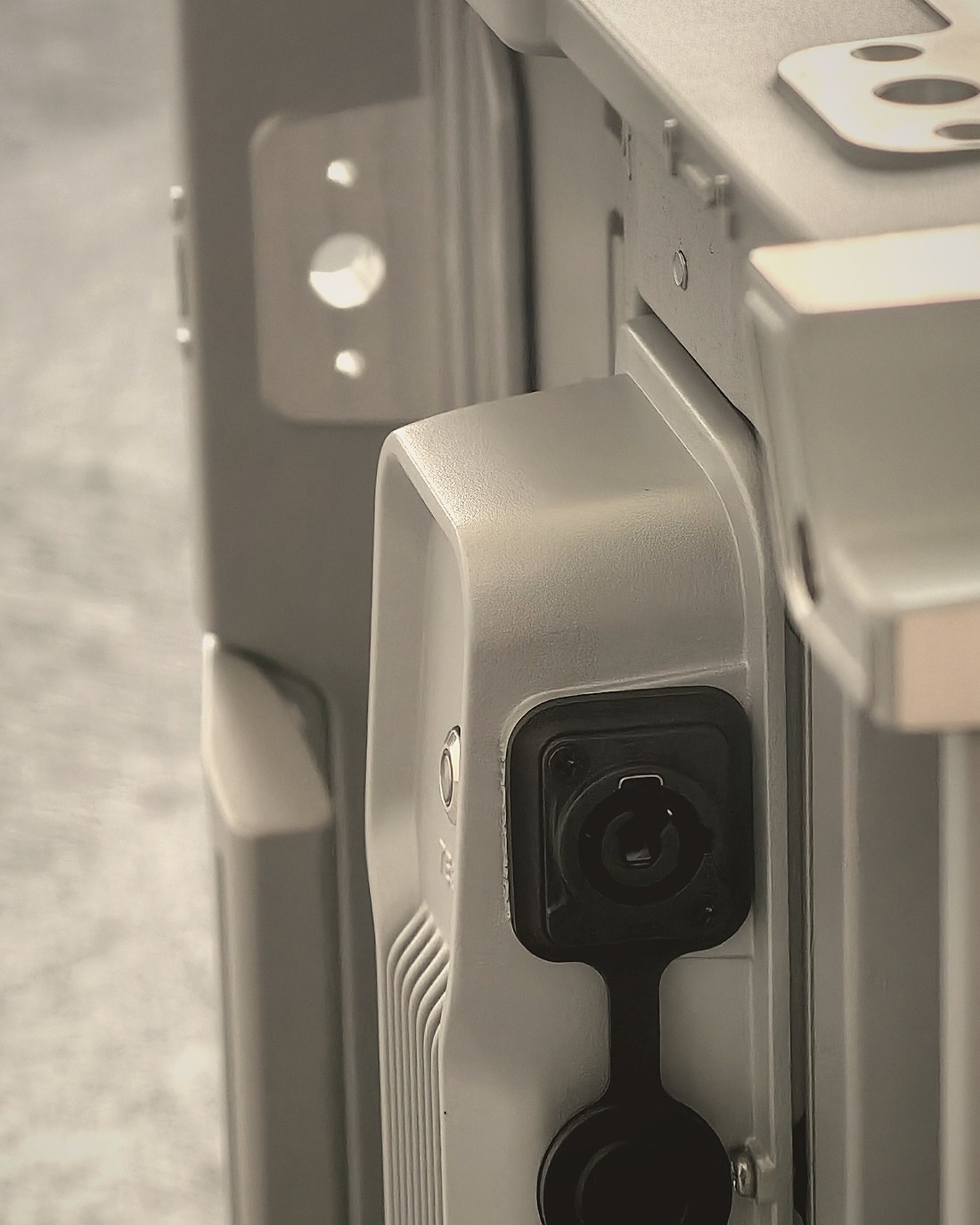
Fig 05 — A sealed connector with a captive cap, from an August visit to a different plant. Same question about gasket life, a different answer.
A quotation split where it should be split. Pitch, cabinet size, brightness and controller confirmed against the drawing. Seam tolerance across a full wall, and gasket consistency, marked conditional pending a pre-production run.
They also got the alternative in writing: a P2.5 build would cost less at the same viewing distance and would carry none of the seam risk. At six metres the difference is visible in text content and close to invisible in video.
That alternative is the part of the trip I would keep if I could only keep one thing. A supplier who has seen one factory has nothing to compare against, and a buyer who has seen one quote has nothing to choose between.
Send the width, the height, the closest viewing distance and whether you have rear access. You get the cabinet layout, and an explicit line on what is confirmed and what is not.