
Firefly Visual · Shenzhen · since 2020

Advice first. Hardware second.

We are a small company built around the decision that comes before the purchase. Reading sites, writing specifications, choosing the factory — that is the work. The screen is what follows.

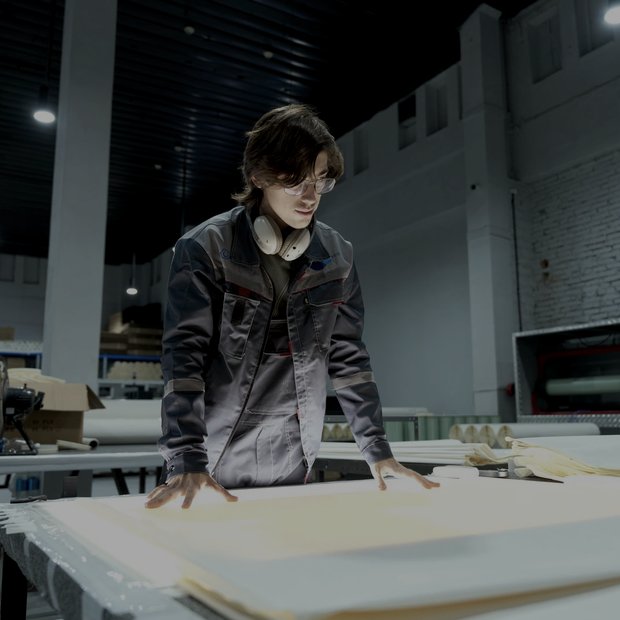
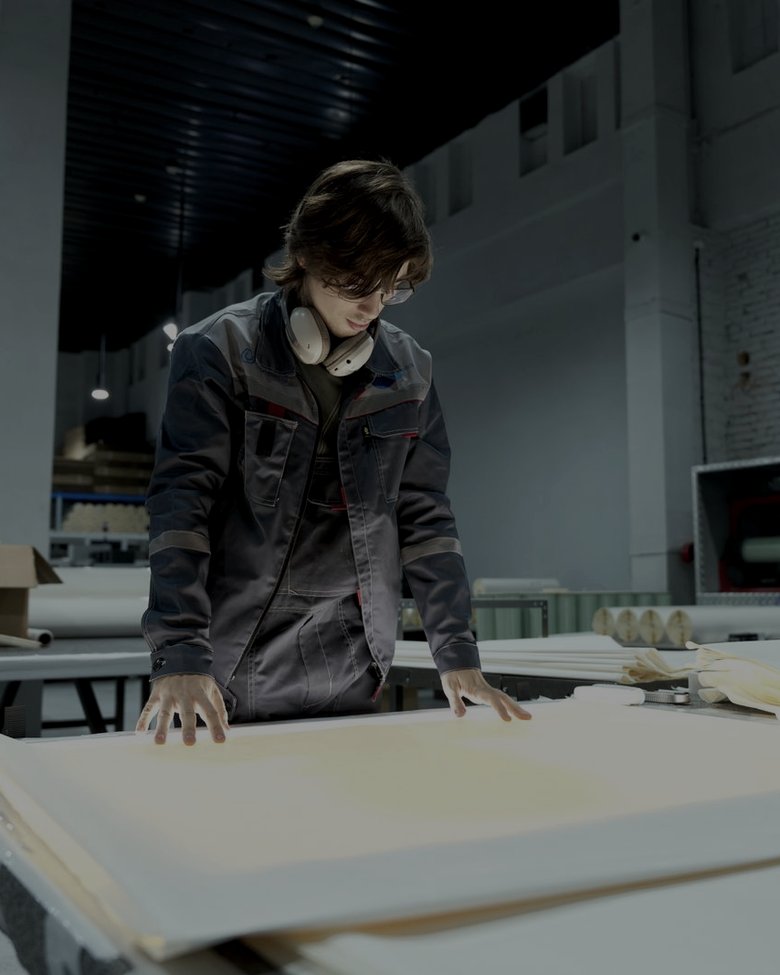
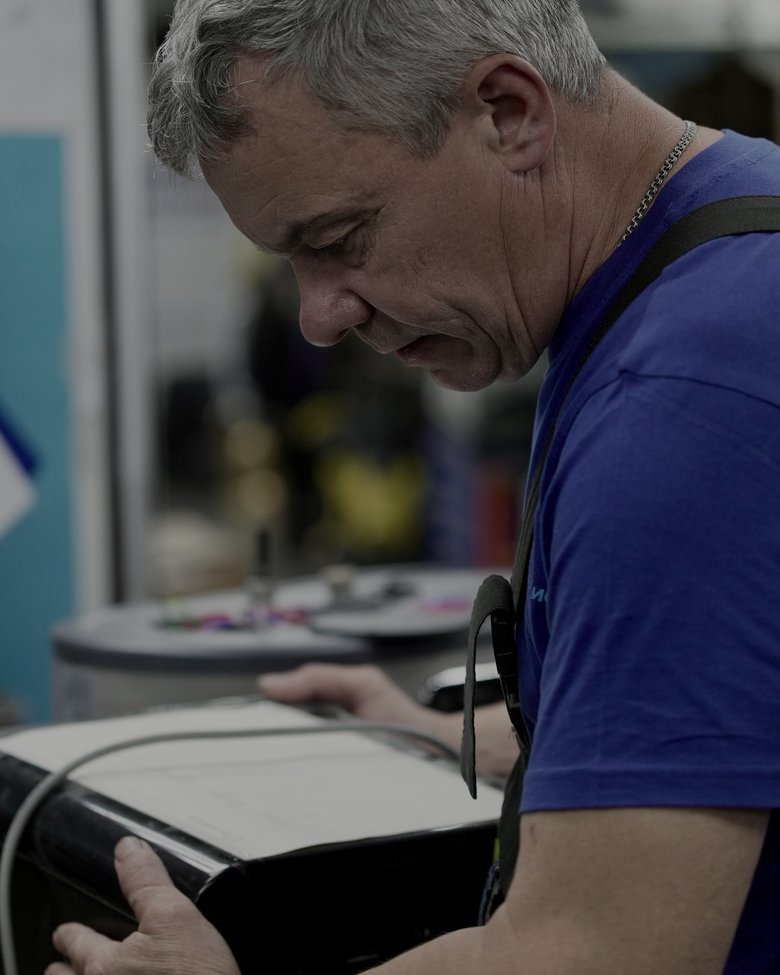
Factory floor · operator checking a panel, application reference
Bench work · engineer servicing a unit, application reference
Bench · hands working on a circuit board, application reference

Application references — not client projects

2020Founded, Shenzhen
4Partner factories
4Product lines
1Owner per order
01 — 02 / Mission & vision

One mission, one vision. Everything else on this page follows from them.

01 · Mission

Make the LED buying decision survivable.

Specified right, installed once, still running in year five.

Most of this market is built to win the order; almost none of it is built to be lived with. A wall that fails in year four is rarely a bad wall — it is a wall that was sold against the wrong brief. Our work is to close that gap before the purchase order, not after the first fault.

02 · Vision

A market where buying a Chinese LED wall is a decision you can verify.

Not a leap of faith.

A specification you can audit, a cost you can recompute, a service you can reach. Those three are what turn a purchase into a decision, and what we would like buyers to expect as a matter of course rather than as a favour.

The reasoning behind both — the three rules we hold to, and the cases where they cost us an order — sits on the business philosophy page. Here it is kept to the conclusion.

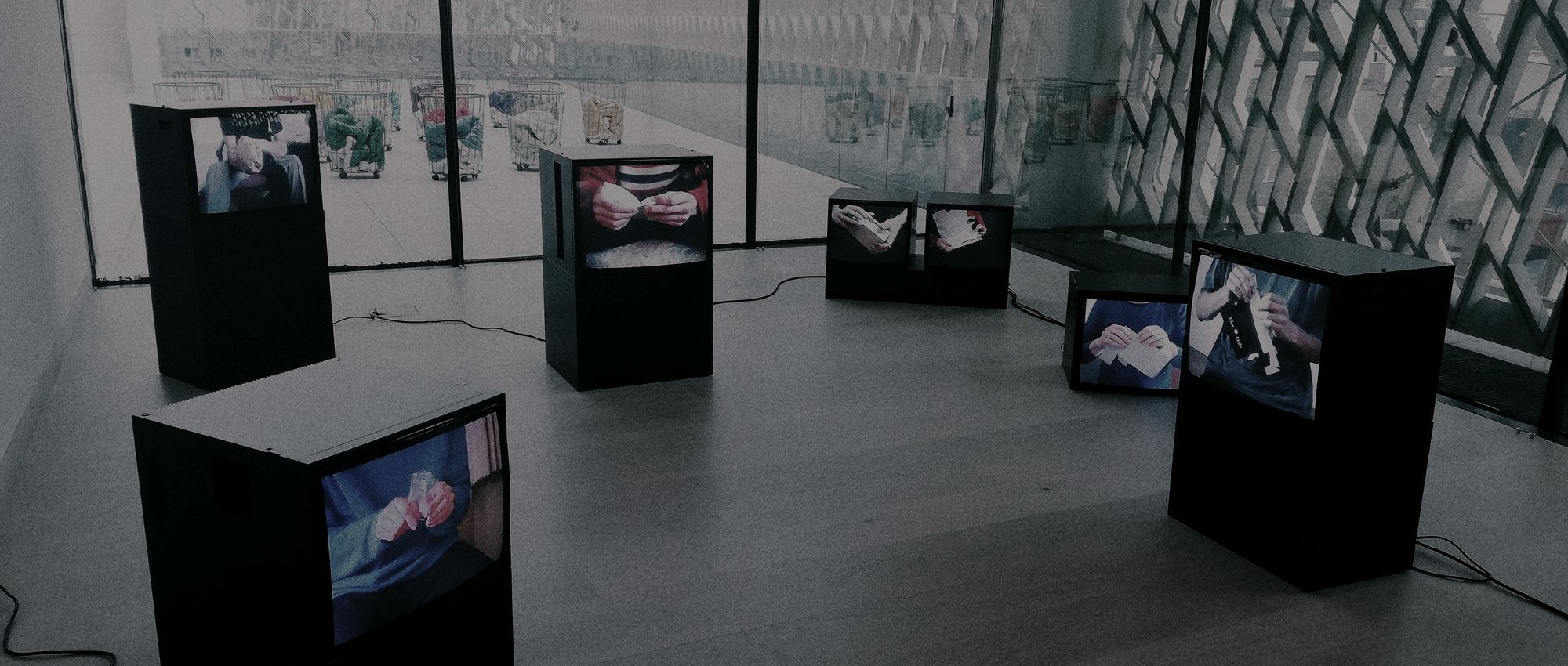
Gallery hall · display units in a public interior, application reference
Where we choose to work

We go where the buyer has no engineer on staff.

Our client base was built in Europe and North America, and those relationships continue. The advisory work we take on today sits mostly in South America and Africa — not because those markets are easier, but because a written specification is worth more there than a discount, and there is often nobody in the building whose job is to check the quotation.

Same work, same standard. That is simply where it changes the outcome most.

03 / What we hold to

Three values. Each one costs us orders somewhere.

They are the reason some enquiries end with us saying no, or with a smaller order than was on the table. We would rather keep them than the margin. Each one is worked through, with the paperwork it produces, on the business philosophy page — here they are stated, not argued.

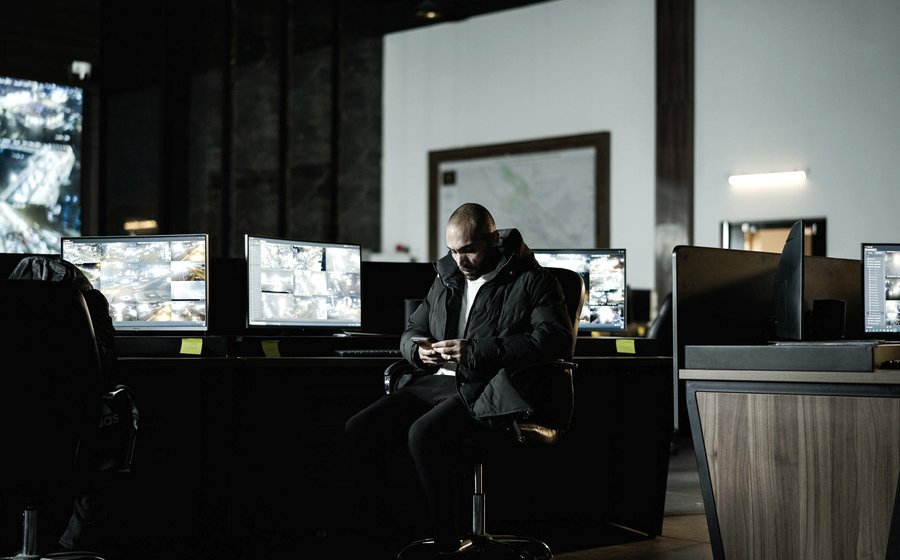
Control room · operators at a monitoring wall, application reference
Value 01

Stability — we recommend what can still be serviced, not what wins the datasheet.

A cabinet earns its place after real sites: batch continuity, driver availability, replacement modules still in production. A newer panel can beat it on one line of the specification and lose everything you need in year four.

In practice: we tell you what the newer panel actually gains, and what it costs later — spare continuity, a second driver family, a re-spec at replacement time.
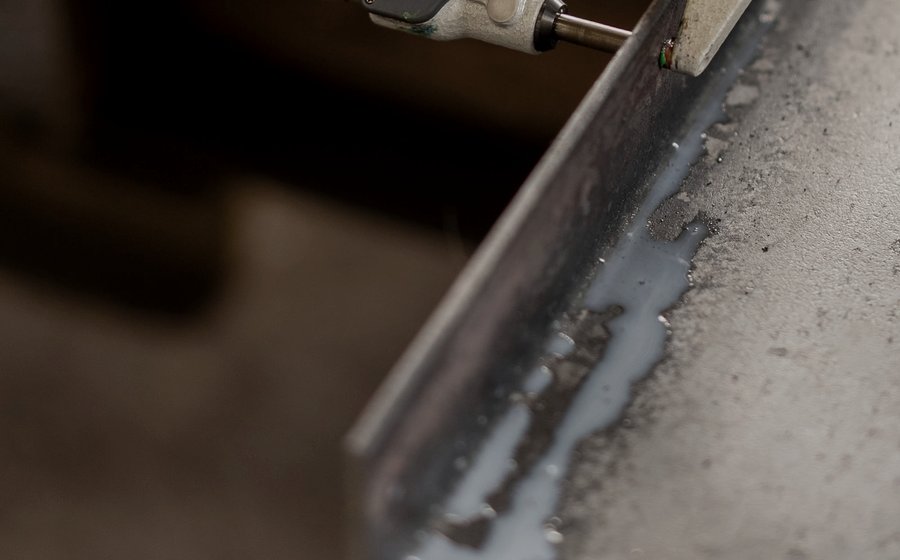
Bench · measuring a metal part, application reference
Value 02

Transparency — cost is shown as cost.

A price you cannot take apart is not a price. Parts, works and freight sit on separate lines, so you can remove one and still know what the wall costs. Spare modules pass through at cost.

In practice: you get the split, the assumption behind each line, and the repair price before anything breaks — and you can buy the parts without buying a contract.

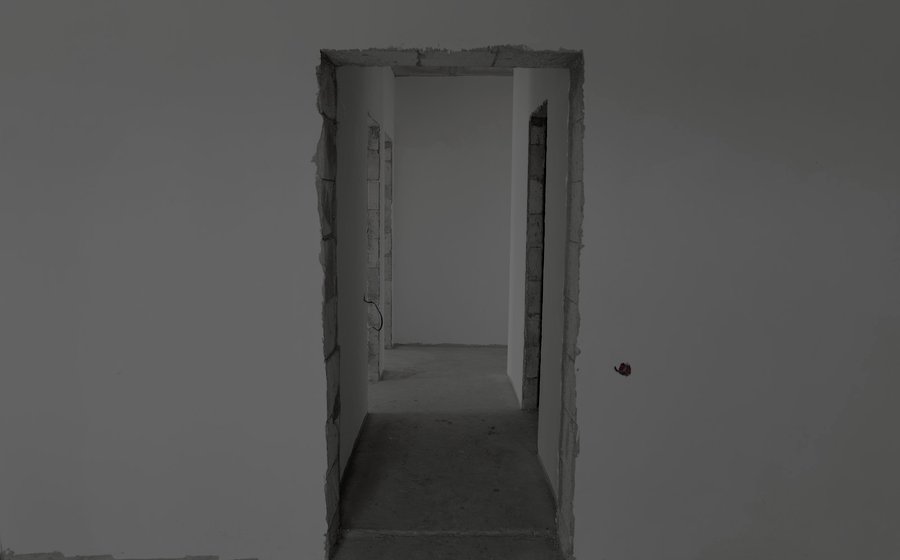
Interior · bare wall awaiting installation, application reference
Value 03

Commitment — if it is not written in the specification, it is not a promise.

Brightness, uniformity, batch, warranty term, response time: each one either appears in the document you sign or it does not exist. The test is simple — in year five, can you still point at the sentence?

In practice: every number ships with its test condition and its exception, including what voids it.

Why we work this way

We are not trying to sell you a wall. We are trying to be the reason the wall was right.

The order is not the point.

A purchase is one afternoon. Living with the display is five years. We are useful in the second part, so that is the part we optimise — even when it means a smaller order, a later one, or none at all.

The problem comes before the product.

If another technology solves it better, or the budget belongs in the control system rather than the cabinet, that is what we will say. A recommendation that only ever lands on what we sell is not a recommendation.

Long work, not quick margin.

Documenting faults, writing specifications, checking batches and following an order through to handover is slow work that never appears on a quotation. It is also the only honest reason a company this small should be trusted with a project this large.

“The product applications in this industry are almost at their peak. But service has not been considered yet. To have engineers at the customer's side — that is what makes all of them feel secure.”
Lincoln Lin · founder · on why the company was started
A worked example

The same brief, decided two ways.

Anonymised · figures rounded
The brief

6.4 × 2.4 m wall, viewed from 2.5 m, lobby of a hotel under refurbishment.

Content is static branding with some motion. Daylight from a glazed facade on the left. The wall is the first thing a guest sees from the lift lobby.

What the vendor quoted

P1.5, sized to a catalogue cabinet grid rather than to this opening, quoted as one price.

Cheaper per square metre. Their grid rounded out to 6.5 × 2.5 m — 5 cm past the finished plaster line on every edge — and the brighter panel needed a second driver family, with no shared spares with anything else the hotel owns.

What we specified

P1.9 on a 6.25 × 2.25 m active area, front-service, single driver family.

Pitch calculated from the 2.5 m viewing distance rather than copied from a catalogue. Cabinet mix set to the real opening, leaving a 7.5 cm shadow gap on all four sides for the plaster detail.

What it changed

Less screen area, no rework, spares that fit two other walls on site.

The order came out smaller. The hotel got a wall that closes cleanly, one spare kit covering three rooms, and a document every number can be traced back to.

Illustrative example, assembled from recurring project patterns — not a named client. Figures rounded.

Want the document behind it? Ask for a sample specification

How we got here

Six years, one direction.

2020 → today

2020

Early days · a first desk and a laptop, application reference

Founded in Shenzhen

A small team out of engineering and export, set up around technical service rather than a sales desk.

2021

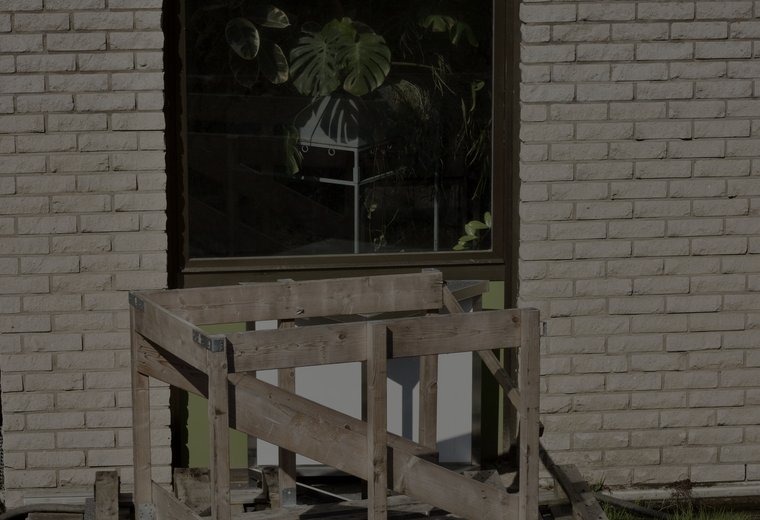
Europe · service site, brick building and timber, application reference

Service on the ground in Europe

Go LED Service SRL in Belgium — the service company I founded, with a workshop and engineers at the customer's side.

2024

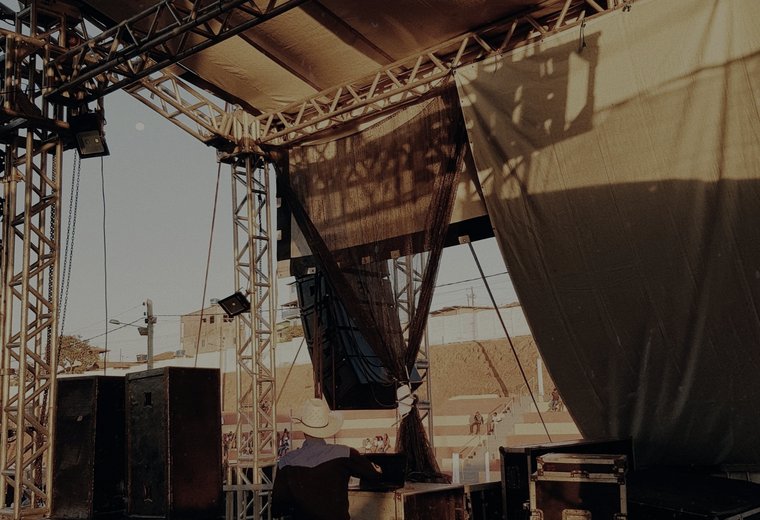
Stage · truss and speakers during build, application reference

Rental and custom join the line

Stage cabinets, floor tiles, transparent film and trailer units — formats that answer a specific room rather than a general brief.

Now

Factory floor · two workers beside steel coils, application reference

Four-factory network, advisory-led

Indoor fixed, outdoor fixed, fine pitch and custom fabrication, split across four partner factories. We were once a shareholder in an LCD manufacturer, so the factory side of the table is familiar.

The work behind it

What we actually spend the time on.

None of it shows on a product page
Site survey · measuring a wall with a tape, application reference
01

Reading the site

Dimensions, viewing distance, content, ambient light, install and service access — before anything is quoted.

Desk · drawings and a screen, specification work, application reference
02

Writing the specification

A document specific enough for a third party to tender from.

Factory floor · sample check at the bench, application reference
03

Choosing the factory

The application decides the partner. Samples and key parts confirmed before anything is placed.

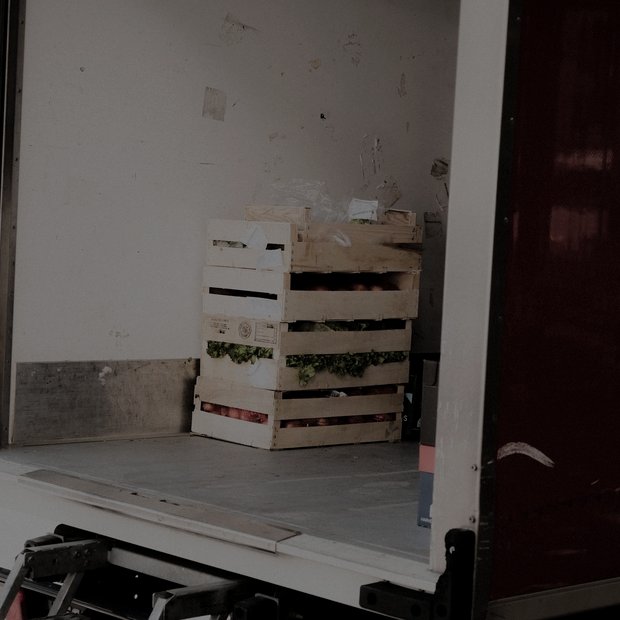
Packing · crates staged for shipment, application reference
04

Staying to handover

Production checkpoints, documents, spare list, after-sales route — one name on the file throughout.

Hundreds of small checks sit behind a single quotation. They are how a buyer can tell, before the first invoice, whether a company is describing the work it does — or the work it would like to be doing. We put ours on paper so you can check them.

Next step

Tell us about the wall. We will tell you what it needs.

A photograph and a tape measure are enough to start. What comes back is a written specification and a matched factory — not a catalogue page.

Or read one first — the document every project starts from:

Fortis product specification · PDF · two pages
  • Wall width × heightRequired
  • Closest viewing distanceRequired
  • Content typeHelpful
  • Photograph of the spaceHelpful
  • Target budget bandOptional